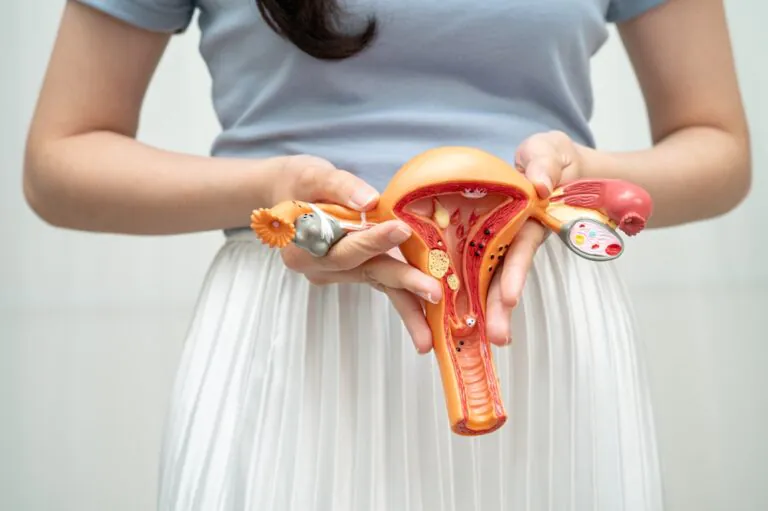





From monitoring baby growth in the ninth month to following proper pregnancy care in the last month, small steps in diet, exercise, and rest can make a big difference. Here’s a detailed guide to help you navigate the final month of pregnancy with confidence.
During this month, your body may feel heavier, and you may experience new sensations as the baby drops lower into the pelvis. Emotional changes are also common due to anticipation and hormonal shifts. Keeping track of your symptoms and maintaining a healthy lifestyle are key to a safe and comfortable ninth month.
Common Symptoms in the Ninth Month
The last month of pregnancy brings a mix of excitement and discomfort. Being aware of common symptoms in the ninth month helps you differentiate normal changes from warning signs.
Symptoms include:
- Frequent urination due to pressure on the bladder
- Mild to moderate lower back pain
- Swelling in feet and hands
- Braxton Hicks contractions or “practice contractions”
- Fatigue and difficulty sleeping
These symptoms are natural, but any severe pain, heavy bleeding, or sudden fluid leakage should be reported to your doctor immediately. For mothers who had early screenings, results from a Double Marker Test in Pregnancy can provide important insights about fetal health, especially if there were concerns during earlier trimesters.
Additionally, mood swings, constipation, and mild heartburn are also common. Keeping a journal of symptoms can help you discuss any unusual changes with your healthcare provider, ensuring timely interventions if needed.
Baby Growth in the Ninth Month
During the 9th month of pregnancy, your baby is growing rapidly and preparing for life outside the womb. Understanding baby growth in the ninth month helps you track your baby’s development and anticipate delivery.
Key developments:
- The baby’s lungs and brain are fully developed
- Baby gains around 0.5 kg per week
- Skin becomes less wrinkled as fat stores increase
- Baby’s head may engage or “drop” into the pelvis
Monitoring your baby’s movements is crucial. A healthy, active baby is a good sign, while decreased movement should be immediately checked by a healthcare professional. You may also notice that your baby’s kicks feel lower as the head engages, which is a normal sign of labor preparation. Understanding these movements can help you feel more connected and aware of your baby’s readiness for birth.
Signs of Labor in the Ninth Month
Recognizing signs of labor in the ninth month ensures timely hospital visits and reduces complications.
Early signs include:
- Regular contractions that gradually increase in intensity
- Water breaking or leakage of amniotic fluid
- Bloody show or discharge with a pinkish tint
- Pelvic pressure and back pain
Understanding these signs helps you differentiate between false labor and true labor, so you can stay calm and prepared for delivery. Some women may also experience mild nausea, diarrhea, or increased vaginal discharge as labor approaches, which is usually normal. Preparing a checklist for the hospital and having your support system ready can reduce stress during this critical time.
Diet Tips for the Ninth Month of Pregnancy
Proper nutrition is essential during the ninth month of pregnancy. Eating a balanced diet supports your baby’s growth and prepares your body for labor.
Diet tips include:
- Include iron-rich foods like spinach, beetroot, and lentils to prevent anemia
- Eat protein-rich foods such as eggs, paneer, and dal to strengthen muscles
- Consume calcium-rich foods like milk and yogurt for healthy bones
- Drink plenty of water and fluids to prevent dehydration
- Avoid junk food, excess sugar, and processed items
For mothers with hormonal concerns, following a structured pcod diet chart or pcos diet chart can help balance hormones while providing proper nutrition during the final month of pregnancy. Including small, frequent meals instead of large heavy meals can also help prevent heartburn and maintain energy levels throughout the day.
Pregnancy Care in the Last Month
Pregnancy care in the last month focuses on rest, monitoring symptoms, and staying prepared for delivery.
Tips include:
- Keep regular prenatal check-ups to monitor blood pressure and baby’s position
- Rest as much as possible and avoid strenuous activities
- Maintain proper hygiene to prevent infections
- Keep your hospital bag ready for delivery
These simple steps ensure both mother and baby remain healthy during the final stages of pregnancy. Additionally, mental well-being is important gentle meditation, deep breathing, and light walks can help reduce stress and improve sleep quality. Being aware of your body and any unusual symptoms ensures timely medical attention if needed.
Exercises in the Ninth Month of Pregnancy
Gentle exercises in the ninth month of pregnancy can help relieve discomfort, improve circulation, and prepare your body for labor.
Safe exercises include:
- Walking for 20–30 minutes daily to improve stamina
- Prenatal yoga to ease back pain and promote flexibility
- Pelvic floor exercises (Kegels) to strengthen muscles for labor
- Stretching and gentle breathing exercises to manage stress
Always consult your doctor before starting any exercise to ensure it’s safe for you and your baby. Exercise can also help with digestion, reduce swelling, and promote better sleep, all of which are beneficial during the last month.
Final Thoughts: Preparing for Birth
The 9th month of pregnancy is a mix of anticipation, excitement, and challenges. By understanding common symptoms in the ninth month, monitoring baby growth, recognizing signs of labor, following proper diet tips, and practicing safe exercises, you can approach delivery with confidence.
Remember, every pregnancy is unique. Listen to your body, follow your doctor’s advice, and maintain a positive mindset. Small steps taken now, including following safe diet charts and prenatal care, can make your labor and delivery smoother and safer. Preparing emotionally, discussing a birth plan with your doctor, and staying informed about the delivery process can also help reduce anxiety during this critical month.