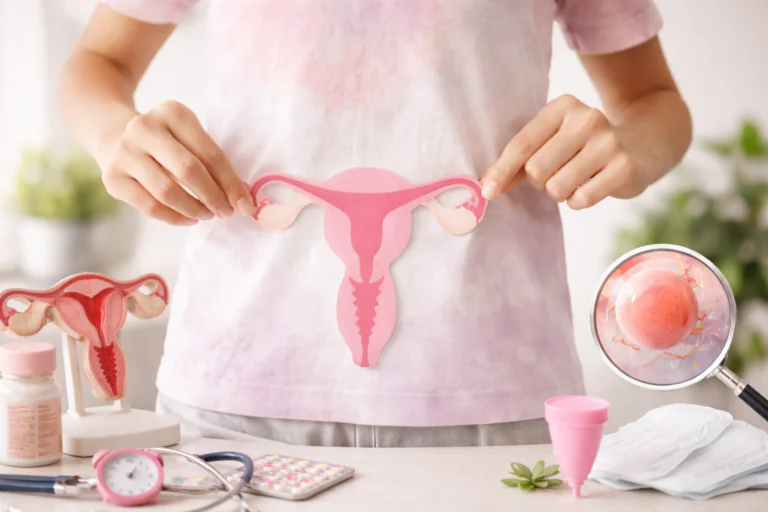




Eating healthy foods through a well-planned PCOS Diet Chart is a great way to manage insulin, reduce inflammation, and maintain hormonal balance. Following healthy meals along with lifestyle practices such as regular exercise, stress control, and proper sleep schedules can improve energy levels, support fertility, aid digestion, and help manage PCOS-related symptoms like mood changes. A balanced PCOS Diet Chart not only supports physical health but also boosts confidence, emotional well-being, and overall quality of life.
Foods to Eat in PCOS (PCOS Diet Chart)
In PCOS, food choices are critical for managingWeight and hormonal Levels, as well asInsulin resistance. A diet of nourishing foods will help to stop cravings and reduce inflammation; it is associated sometimes with PCOS.
Some recommended foods include:
- Whole grains like oats, quinoa, and barley for slow-release energy and better insulin regulation
- Vegetables such as spinach, broccoli, zucchini, bell peppers, and kale for fiber, antioxidants, and essential vitamins
- Fruits like berries, apples, and guava in moderation to avoid sugar spikes while providing necessary nutrients
- Protein sources like eggs, paneer, lentils, tofu, and chicken to support muscle health, hormone production, and satiety
- Healthy fats from nuts, seeds, olive oil, and avocado to improve insulin sensitivity and heart health
Including these foods in the diet can help alleviate symptoms of PCOS, such as acne, bloating, or fatigue. Female individuals who observe abnormalities in their menses or symptoms of PCOS can refer to Signs of Period Coming Late for further assistance.
PCOS Weight Loss Tips
Effective PCOS weight loss tips focus on diet, portion control, and lifestyle modifications. Managing weight with PCOS is possible when the right strategies are followed consistently.
Some practical tips include:
- Eat small, frequent meals instead of skipping meals to maintain energy levels and prevent overeating
- Choose low GI foods for PCOS to stabilize blood sugar levels and reduce insulin spikes
- Include lean proteins and healthy fats in every meal to stay full longer and support metabolism
- Limit processed foods, sugary snacks, and fried foods that trigger insulin imbalance
- Combine diet with regular exercise such as brisk walking, yoga, or strength training to boost metabolism and improve insulin sensitivity
Women planning for pregnancy can pair diet strategies with medical monitoring like Double Marker Test in Pregnancy to track hormone levels and ensure optimal reproductive health.
By following these strategies consistently, women can achieve gradual, sustainable weight loss while improving hormone balance and reducing PCOS symptoms.
Healthy Snacks for PCOS
Eating healthy snacks in PCOS ensures that the blood sugar levels remain stable, reduces the problem of craving, and also leads to weight reduction. Eating healthy snacks also boosts moods.
Snack ideas include:
- Roasted chickpeas or chana for protein and fiber
- Mixed nuts like almonds, walnuts, and cashews for healthy fats
- Fresh fruits such as apples, pears, or berries for vitamins and antioxidants
- Vegetable sticks with hummus or low-fat yogurt dip for fiber and protein
- Low-fat yogurt with chia seeds or flaxseeds for a nutrient-rich snack
Eating these munchies between meals helps prevent overeating during meals. Applying the following diet plan helps deal with insulin resistance. Women having problems of PCOS, due to hormonal imbalances, can use the PCOD Diet Chart.
PCOS-Friendly Foods
The inclusion of PCOS-friendly foods in daily meals will help improve insulin sensitivity, support hormone balance, and improve overall health. Since it is naturally anti-inflammatory and nutrient-rich, this would be very effective in managing the symptoms of PCOS.
Recommended options:
- Vegetables: Spinach, broccoli, zucchini, capsicum, kale, and cabbage
- Proteins: Eggs, paneer, legumes, chicken, tofu, and fish for hormone and muscle support
- Healthy fats: Avocado, nuts, seeds, olive oil, and coconut oil to improve satiety and insulin function
- Complex carbs: Oats, quinoa, barley, and brown rice for slow-release energy
- Herbs and spices: Cinnamon, turmeric, fenugreek, and ginger to improve digestion and regulate blood sugar
Nutrition for Hormonal Balance
Proper nutrition in terms of hormonal balance is the foundation of management that could help improve symptoms of PCOS and increase fertility. The balance of hormones related to insulin, estrogen, and progesterone highly depends on what you eat, and the intake of proper nutrients may reduce irregular cycles, acne, and fatigue.
Key nutrition strategies include:
- Eating fiber-rich foods such as leafy vegetables, oats, and legumes to stabilize blood sugar levels
- Including lean proteins like eggs, paneer, and legumes in every meal
- Adding omega-3 fatty acids through flaxseeds, chia seeds, walnuts, or fatty fish to reduce inflammation
- Avoiding sugary drinks, refined carbs, and highly processed foods that trigger insulin spikes
- Staying hydrated throughout the day to support metabolism, digestion, and hormone function
Consistently following these nutrition practices helps reduce PCOS symptoms, regulate menstrual cycles, support weight loss, and improve overall energy and mood.
Low GI Foods for PCOS
Including low GI foods for PCOS is essential for maintaining steady blood sugar, controlling insulin levels, and supporting weight loss. Low GI foods prevent sudden spikes in blood sugar, which is a common issue in PCOS.
Examples of low GI foods include:
- Whole grains: oats, barley, brown rice, and quinoa
- Fruits: berries, apples, pears, and guava
- Vegetables: spinach, zucchini, broccoli, capsicum, and kale
- Legumes: lentils, chickpeas, kidney beans, and black beans
- Nuts and seeds: almonds, walnuts, chia seeds, and flaxseeds
Regular consumption of GI foods supports energy balance, reduces sugar craving, and contributes to gradual, healthy weight loss.
Conclusion
A planned Diet Chart for PCOS is very important for women who want to lose weight, regulate their hormonal levels, and stay healthy. Adding foods to eat in PCOS, tips for weight loss in PCOS, healthy snacks for women with PCOS, and incorporating foods for women with PCOS and foods low in GI for women with PCOS will help in minimizing symptoms and maximizing health.
Consistency in diet, along with exercise, stress management, and proper sleep, will help in weight loss, insulin regulation, and proper reproductive functioning. Eating a proper diet that is PCOS-friendly will help increase energy levels, reduce inflammation, and increase the quality of life. For trusted advice on natural management of PCOS, visit garbhaavastha.in for expert advice.