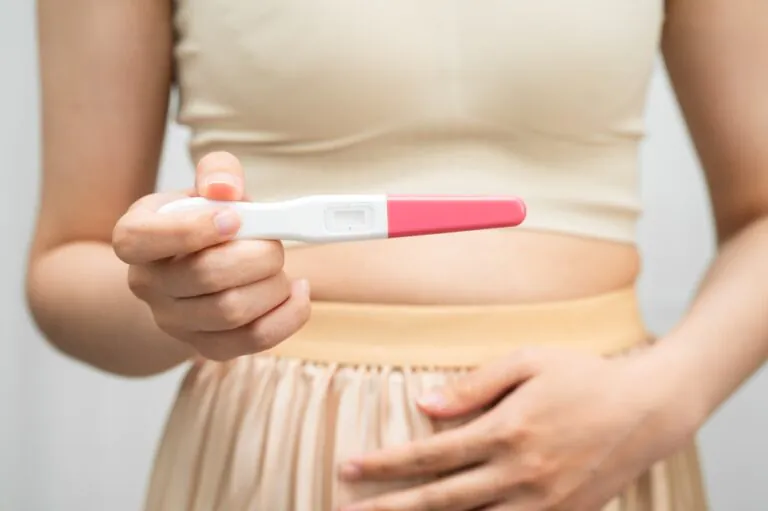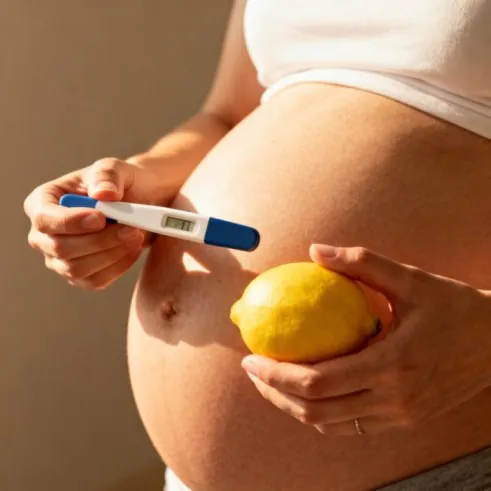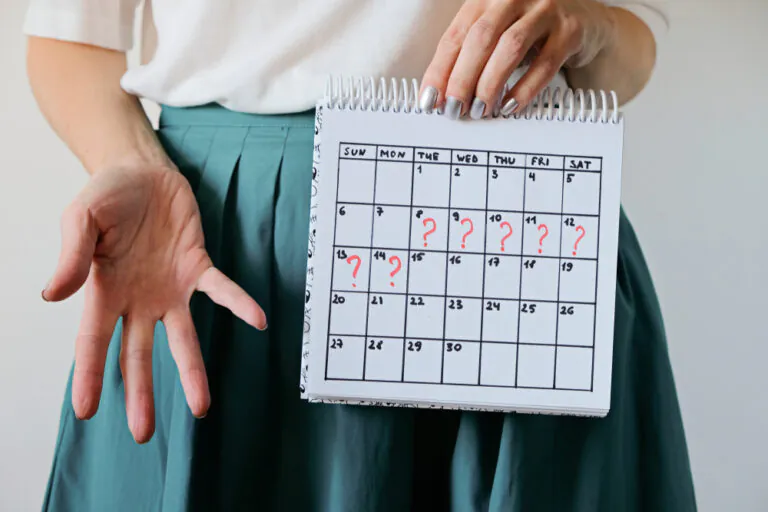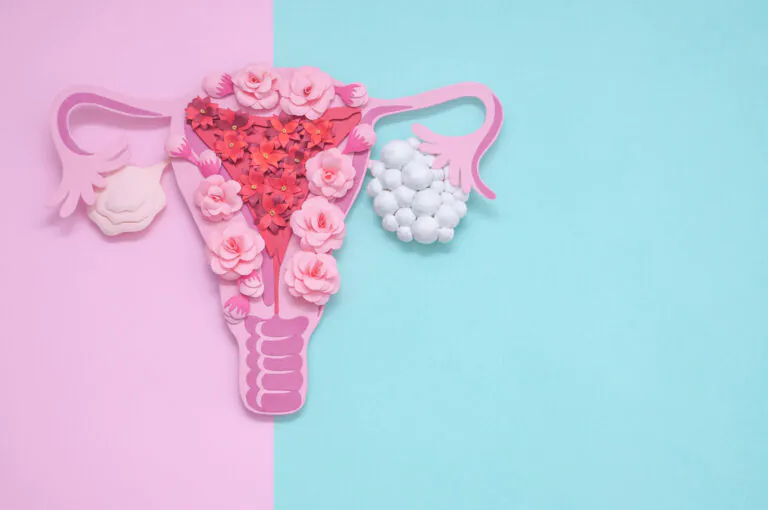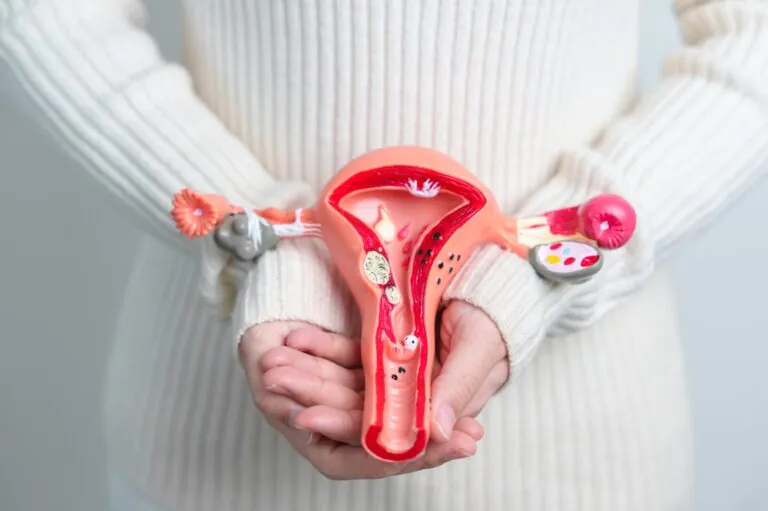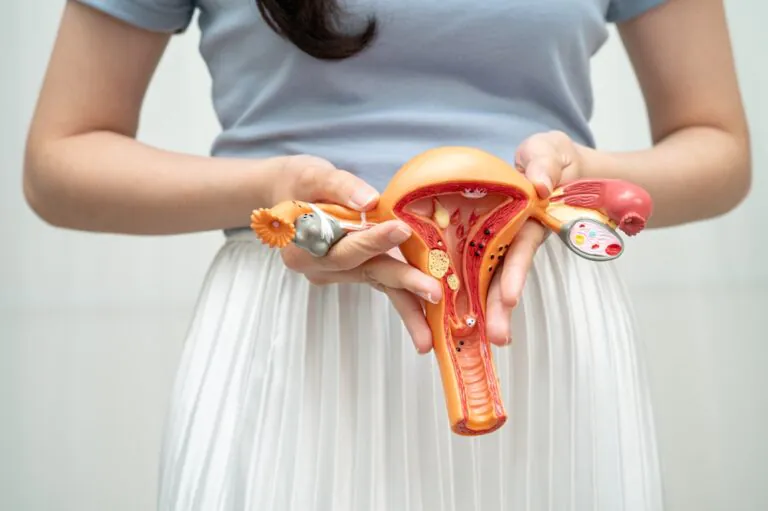


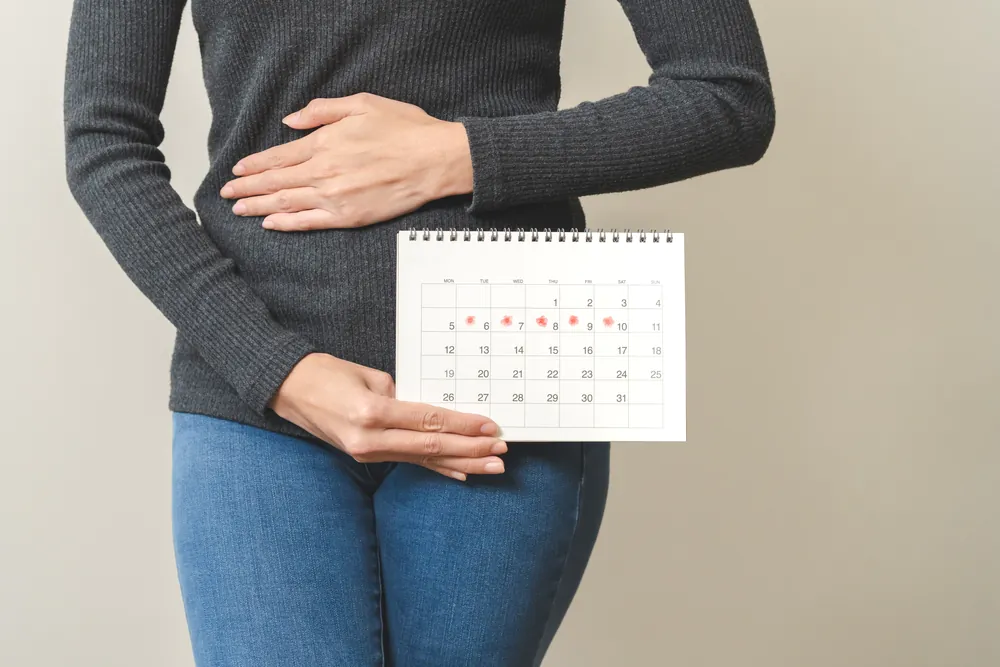


It is also good to understand that the menstrual cycle does not follow a clockwork schedule. Even women whose periods usually follow a strict routine can notice signs of period coming late occasionally. This may happen due to stress, seasonal changes, traveling, or illness. There is no need to panic in such situations. Staying calm and understanding the body’s cycle can help women respond appropriately.
Early Body Changes Before a Delayed Period
Before the menses are delayed, there are a few signs exhibited by the body. These signs resemble the symptoms experienced in PMS, but feel slightly different.
Common early changes include:
- Mild lower abdominal cramps without bleeding
- Bloating and gas
- Breast tenderness or heaviness
- Mood swings, irritability, or low mood
- Feeling unusually tired or low on energy
Such symptoms are mostly as a result of fluctuations in the estrogen and progesterone levels in the body. Some women may also experience altered bowel movement, food cravings, or inability to concentrate. Monitoring such symptoms will aid in determining if there are sporadic or periodic delays.
Late Menstrual Cycle Symptoms Women Often Experience
Irregular sleep, night shifts, long travel, frequent fasting, dehydration, or poor eating habits can disturb the body’s biological clock. Maintaining a consistent daily routine helps regulate menstrual cycles naturally.
Some commonly reported symptoms are:
- White, creamy, or thick vaginal discharge
- Headaches or mild nausea
- Acne breakouts or oily skin
- Changes in appetite or food cravings
- Lower back pain or pelvic discomfort
Some women have reported feelings of slight dizziness, breast tenderness, or emotional weightedness during their Delayed Cycles. Such symptoms tend to fade away with the onset of menses. However, in cases where these symptoms aggravate or recur with every passing month, it might be a sign of hormonal imbalance.
Medical experts explain that delayed ovulation plays a major role in late cycles. According to Mayo Clinic’s guide on the menstrual cycle, stress and lifestyle changes directly affect ovulation timing, which in turn delays menstruation.
Signs of Period Coming Late: Causes of Delayed Periods
There are several causes of delayed periods, and identifying the exact reason helps in managing menstrual health effectively.
Hormonal Imbalance
The hormones control ovulation and menstruation. Factors like thyroid problems, PCOS, and prolactin imbalances affect hormones. Stress or illnesses causing temporary hormonal fluctuations also lead to a delay in ovulation and an advance in periods by a few days.
Stress and Mental Health
High stress, anxiety, emotional trauma, and overthinking will cause a rise in cortisol production. Cortisol is a stress hormone that disrupts the reproductive hormones within the body, often causing ovulation to be held back. High stress can also cause irregular cycles if it is not handled carefully.
Weight Fluctuations
Sudden weight loss or gain is related to estrogen levels. Either too little body fat or too much is a hormone imbalance. Crash diets and extreme fitness programs are often missed in cases of tardy menstruation.
Lifestyle Changes
Irregular sleeping, nocturnal work, long journeys, frequent fasting, dehydration, or improper eating habits cause imbalance in the body’s biological clock. Regular body activities within a fixed daily pattern help to regulate the menstrual cycle.
Missed Period Reasons Other Than Pregnancy
Pregnancy is often the first concern when periods are late, but many missed period reasons are not related to pregnancy.
These include:
- Excessive physical exercise or heavy workouts
- Side effects of contraceptive pills or emergency contraception
- Nutritional deficiencies such as iron, vitamin D, or vitamin B12
- Recent illness, fever, COVID, or infection
Occasional missed periods are common and usually correct themselves. However, repeated missed periods should not be ignored, especially if accompanied by fatigue, hair fall, or weight changes.
Irregular Periods Causes That Affect Cycle Timing
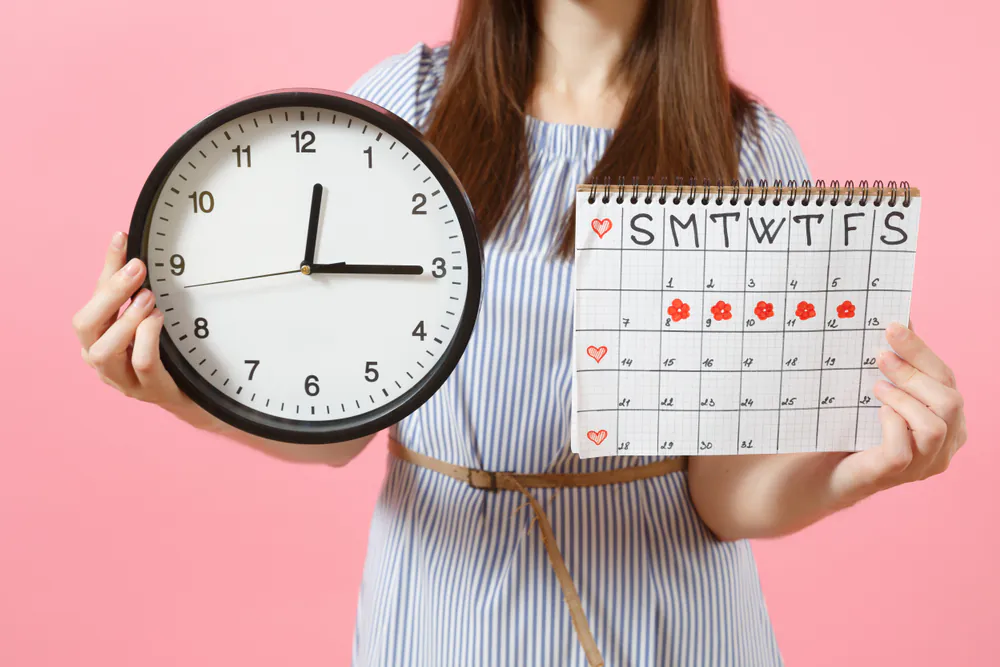
If periods come late frequently, it may indicate irregular periods causes that need medical attention.
Common causes include:
- Polycystic Ovary Syndrome (PCOS)
- Insulin resistance or diabetes
- Poor gut health or nutrient absorption
- Long-term stress or untreated hormonal disorders
Irregular cycles may affect ovulation, fertility, and overall reproductive health. Early diagnosis, lifestyle correction, and medical guidance can significantly improve cycle regularity.
Late Period But Not Pregnant: What Could Be the Reason?
Many women experience a late period but not pregnant, even after multiple negative pregnancy tests. This situation is usually linked to delayed ovulation rather than a complete absence of menstruation.
Stress, emotional stress, changes in lifestyle, and changes in body weight may cause the ovulation cycle to be delayed by a week or two. Most of the time, the period arrives as expected. However, if the period continues to be late for three cycles, a healthcare provider may recommend hormone tests and an ultrasound scan.
What to Do When Periods Are Delayed
If your period is late, the following steps may help regulate your cycle naturally:
- Eat a balanced, iron-rich diet with fruits and vegetables
- Stay well hydrated throughout the day
- Reduce stress through yoga, meditation, or breathing exercises
- Maintain a healthy and stable weight
- Track your menstrual cycle using a calendar or app
You may also explore natural lifestyle-based approaches like periods lane ka upay (Hindi) for supporting menstrual regularity. Avoid self-medication or hormonal pills without medical advice.
Conclusion
Late periods are not uncommon, especially if they are occasional, but regular instances of delayed menstruation should not be neglected. It is essential to be aware of the warning signs, understand the underlying causes, and ensure a healthy lifestyle in order to regulate the cycle. Listen to your body and consult a doctor in case of any irregularities.
For reliable menstrual health and pregnancy-related guidance, continue reading trusted articles on garbhaavastha.in.