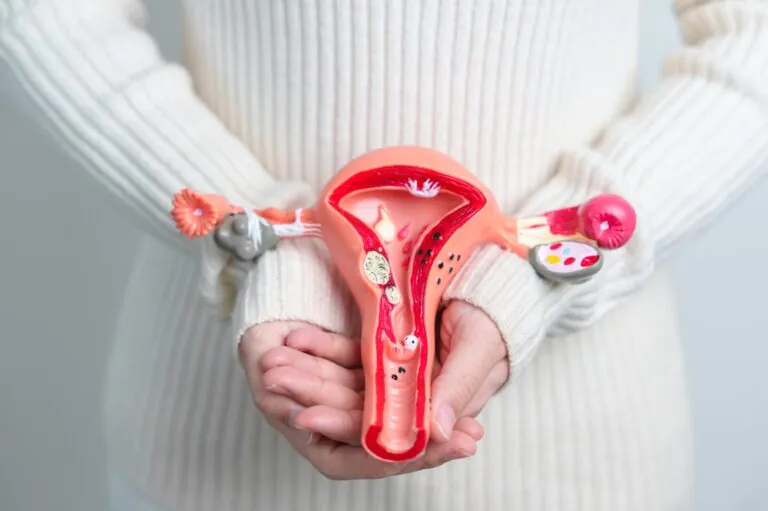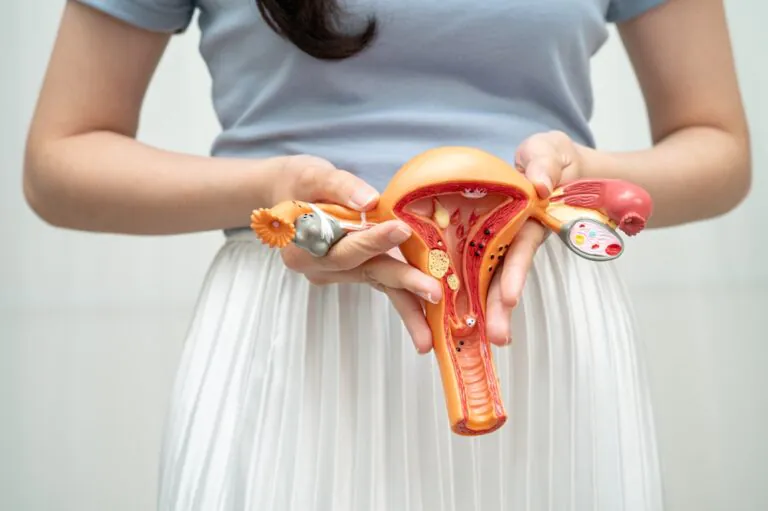




During menstruation, the body undergoes hormonal shifts that affect digestion, appetite, mood, and muscle contractions. Many women experience cravings, acidity, or loss of appetite during this time. Instead of skipping meals or eating junk food, choosing nourishing foods helps the body cope better with these changes.
The right foods nourish your body, reduce inflammation, and make your menstrual cycle more manageable. Let’s explore the best foods during menstruation and practical diet habits that truly help improve comfort and well-being.
Why Diet Matters During Menstruation
During periods, the body loses blood along with important nutrients such as iron, magnesium, zinc, and potassium. At the same time, hormonal fluctuations especially changes in estrogen and progesterone can cause uterine muscles to contract more strongly, leading to cramps and lower back pain.
A balanced menstrual diet plan helps replace lost nutrients, stabilize blood sugar levels, and reduce inflammation. Poor eating habits may worsen symptoms like headaches, dizziness, irritability, and extreme tiredness.
Women with hormonal imbalances often face more intense period pain and irregular cycles. In such cases, following a structured pcod diet chart can help improve hormone regulation, which may gradually reduce painful or heavy periods. Eating on time, choosing home-cooked meals, and avoiding excessive junk food can make a noticeable difference in how your body feels during menstruation.
Foods to Reduce Period Cramps Naturally
Menstrual cramps occur due to the release of prostaglandins, chemicals that trigger uterine contractions. Certain foods help reduce the production of these chemicals and relax uterine muscles.
Foods to reduce period cramps include:
- Leafy green vegetables like spinach and methi, which replenish iron and magnesium
- Bananas, rich in potassium, help prevent muscle spasms
- Nuts and seeds such as almonds, walnuts, and flaxseeds, which provide healthy fats
- Dark chocolate, when eaten in moderation, helps release feel-good hormones
- Ginger and turmeric, known for their anti-inflammatory properties
For women experiencing severe cramps due to hormonal issues, a balanced eating pattern similar to a pcos diet chart may help reduce inflammation and improve insulin sensitivity, indirectly easing period pain.
Diet for Menstrual Pain Relief: What Helps Most
A supportive diet for menstrual pain relief focuses on warm, soft, and easily digestible foods. Cold and heavy foods can slow digestion and worsen cramps, while warm meals improve blood circulation. Foods like vegetable soups, dal, khichdi, porridge, and steamed vegetables are gentle on the stomach. Adding mild spices like cumin, ajwain, or hing helps reduce gas and abdominal discomfort.
Regular meals are essential. Skipping food can lower blood sugar levels, which increases pain sensitivity and irritability. Hydration is equally important warm water, herbal teas, and jeera water can help relax muscles and reduce water retention.
Best Foods During Menstruation for Energy and Strength
Weakness and fatigue are common during periods, especially in women with low hemoglobin levels. Eating the best foods during menstruation helps restore energy and maintain stamina throughout the day.
Iron-rich foods such as beetroot, dates, jaggery, spinach, and legumes help rebuild blood levels. Protein sources like eggs, paneer, tofu, lentils, and curd support muscle recovery and keep you full for longer.
Pairing iron-rich foods with vitamin C sources such as lemon, oranges, or amla improves absorption. Proper nutrition during periods also supports overall reproductive health and hormonal balance, which may help prevent abnormal discharge issues discussed in White Discharge During Pregnancy, often linked to hormonal fluctuations.
Menstrual Diet Plan: What to Eat Throughout the Day
Following a simple and consistent menstrual diet plan helps reduce symptoms and maintain energy levels.
Morning:
Start with warm water or herbal tea. Light fruits like apple or papaya and soaked almonds support digestion.
Lunch:
A balanced meal with roti or rice, dal, cooked vegetables, and curd provides essential nutrients and prevents fatigue.
Evening snack:
Roasted makhana, nuts, fruit, or homemade snacks help manage cravings without causing bloating.
Dinner:
Light meals such as khichdi, soup, or vegetable curry are easy to digest and promote restful sleep.
Eating smaller portions at regular intervals prevents heaviness and supports gut health.
Foods for Period Bloating and Digestive Discomfort
Bloating and gas during periods are common because hormonal changes slow down digestion and cause water retention. Eating light, digestion-friendly foods can help reduce this discomfort.
Helpful foods for period bloating include:
- Lauki and cucumber to reduce water retention
- Yogurt and buttermilk for better gut health
- Papaya to improve digestion
- Fennel seeds (saunf) to relieve gas and heaviness
At the same time, avoiding salty, fried, and carbonated foods is important, as they can worsen bloating and stomach pressure during menstruation.
Nutrition Tips for Periods: What to Avoid
Along with eating nourishing foods, following smart nutrition tips for periods helps prevent worsening symptoms. Limit caffeine intake, as it can increase anxiety, cramps, and breast tenderness. Excess sugar may cause sudden energy crashes and mood swings. Very spicy, oily, or cold foods can irritate the digestive system and increase pain.
Adequate rest, stress management, and mindful eating are equally important. Listening to your body’s signals helps you make better food choices during menstruation.
Final Thoughts: Eat Smart, Feel Better During Periods
Understanding what to eat during periods allows you to manage menstrual discomfort naturally and effectively. A diet rich in iron, fiber, protein, and anti-inflammatory foods can reduce cramps, bloating, and fatigue while improving overall well-being.
Every woman’s body responds differently, so observe which foods work best for you. With small, consistent dietary changes and healthy habits, periods can become more comfortable and less disruptive to daily life.